Before Death Foundation (BDF) Blog Series
Before Death Foundation (BDF): Creating a Culture Where Humanity Saves Lives
The Silent Emergency – India’s Hidden Healthcare Crisis
A Complete Awareness Guide by Before Death Foundation (BDF)
In today’s fast-moving world, where technology advances every day and medicine reaches new heights, one silent crisis continues to take thousands of lives silently — the lack of awareness about organ, eye, and blood donation. Medical science is ready. Hospitals are equipped. Doctors are trained. Yet people still die waiting. Not because treatment does not exist, but because awareness does not reach on time. This is where Before Death Foundation (BDF) stands apart. BDF is not just an NGO. It is a human movement, a voice of compassion, a bridge between medical science and society, and a mission to ensure that no life is lost due to ignorance, fear, or misinformation. This blog takes you deep inside the purpose, mission, work, values, and future vision of Before Death Foundation — a foundation that believes in “Life after death through awareness before death.”
Thousands of patients wait for kidney transplants Hundreds of liver failure patients struggle for survival Heart patients lose hope due to donor shortage Millions live in darkness due to lack of corneal donation Accident victims die because blood is not available in time India has one of the lowest organ donation rates in the world. The gap between requirement and availability is massive. Behind every statistic is a real human being — a child, a parent, a student, a worker — waiting for life. The biggest reason behind this situation is not poverty, not lack of hospitals, not lack of technology — it is lack of awareness and deep-rooted myths. People hesitate due to: Fear of body damage Religious misunderstandings Mistrust in medical systems Lack of legal knowledge Emotional family pressure Before Death Foundation was created to break these barriers one by one.
2. The Birth of Before Death Foundation: A Mission Born From Pain and Purpose Before Death Foundation was not born in a conference room or a corporate office. It was born from real human pain, real waiting, real loss, and real helplessness. BDF was founded on one powerful belief: “Life does not end at death. It continues through the lives we save.” The founders and leaders of BDF witnessed what it feels like when: A patient waits endlessly for an organ A family runs hospital to hospital searching for blood A blind person waits for years for corneal donation Parents watch their child fade away due to delay Instead of accepting this as fate, they decided to fight ignorance with awareness and fear with facts. Thus, BDF was born as an awareness-driven, ethically guided, volunteer-powered organization.
3. Awareness Before Donation: The Core Philosophy of BDF BDF strongly believes that donation cannot be forced — it must be understood first. That is why awareness comes before action in every BDF program. BDF educates people about: What is brain death Which organs can be donated When donation is possible How the legal process works How families can consent How faith and humanity go together Awareness is spread through: Street campaigns School and college programs Hospital outreach Corporate awareness seminars Public lectures Digital awareness drives Community meetings BDF does not shame, pressure, or emotionally manipulate people. Instead, it educates with dignity, empathy, and science.
4. Health Camps: When Care Meets Awareness For Before Death Foundation, health camps are not just medical check-ups. They are doorways to trust. BDF conducts: Free blood pressure and sugar tests General physician consultations Eye check-ups Nutrition counseling Blood donation camps Lifestyle disease awareness These camps mostly reach: Rural communities Urban slums Industrial workers Senior citizens Underprivileged families For many people, it is the first healthcare interaction of their life. Once trust is built through care, awareness flows easily. People listen. They ask questions. They understand. They decide.
5. Youth: The Strongest Pillar of the BDF Movement BDF believes that the future of organ donation awareness lies in the hands of the youth. Today’s students are: Tomorrow’s doctors Tomorrow’s policymakers Tomorrow’s corporate leaders Tomorrow’s social change-makers Through internship programs, youth volunteer training, campus ambassador programs, and leadership initiatives, BDF turns youth into: Organ donation ambassadors Blood donation campaign leaders Community educators Digital awareness creators Event coordinators Most importantly, BDF builds: Confidence Communication Compassion Social responsibility Youth do not just work with BDF — they grow with BDF.
6. Blood Donation: Life That Flows From One Human to Another Blood is not just a medical resource. It is liquid life. Every second, someone somewhere needs blood: Accident victims Cancer patients Surgery patients Pregnant women Newborn babies BDF promotes: Voluntary blood donation Regular donor culture Youth blood donation drives Emergency blood support awareness One blood donor can save up to three lives with just 10 minutes of effort. BDF teaches that: Blood regenerates Donation does not weaken the body Donation is safe Donation is noble Donation is urgent
7. Eye Donation: Giving the Gift of Sight Blindness due to corneal damage is one of the biggest yet most curable disabilities. But corneas come only from eye donation after death. BDF spreads awareness that: Eyes are removed respectfully Face appearance is not damaged Only cornea is taken Two blind people can see again through one donation BDF works with: Eye hospitals Eye banks Community volunteers Families of donors Eye donation is not just restoration of sight — it is restoration of dignity, independence, and confidence.
8. Membership, Internships & Volunteering: The Force That Keeps BDF Alive Before Death Foundation runs on people — not money, not buildings, not fame. BDF has: Student volunteers General members Life members Medical advisors Social workers Corporate partners Through membership, volunteering, and internship, people give: Their time Their skills Their voice Their energy Their heart In return, they receive: Purpose Leadership Identity Experience Emotional fulfillment This exchange creates a living ecosystem of humanity.
9. Ethics, Transparency & Law: The Backbone of Trust BDF works strictly within: Government laws Medical ethics Volunteer safety rules Data privacy norms Donor dignity guidelines BDF does not: Buy or sell organs Force family consent Pressure patients Misuse donor information Use emotional blackmail Everything is: Voluntary Legal Transparent Ethical This strong foundation of trust is why people believe in BDF.
10. The Emotional Side of the Mission Behind every awareness campaign is: A waiting patient A crying family A dying child A desperate mother A helpless father BDF volunteers see: Tears Fear Hope Relief Gratitude Miracles This emotional journey changes people forever. Many volunteers say: “We joined BDF to help others, but BDF changed our own lives.”
11. CSR & Institutional Partnerships BDF works with: Hospitals Schools Colleges Corporates Media houses Government bodies CSR partners help in: Sponsoring health camps Funding awareness drives Supporting youth programs Expanding digital reach These partnerships allow BDF to multiply its impact without losing its ethical identity.
12. Vision for the Future BDF does not think in terms of one year or two years. It thinks in generations. The future vision includes: Organ donation taught in schools Youth trained as health ambassadors Blood donation normalized every three months Donor cards in every wallet Families discussing donation openly Fear-free healthcare awareness The ultimate dream: “No one should die waiting for awareness.”
13. Why Before Death Foundation Matters to Society BDF is important because: It saves lives indirectly through education It builds social responsibility It creates ethical leadership It strengthens public health thinking It gives dignity to donation It turns fear into faith BDF does not just work with bodies. It works with hearts, minds, and conscience. --- Final Message to the Reader You may never need an organ. You may never need blood urgently. You may never go blind. But someone right now does. And your awareness today can become their tomorrow.
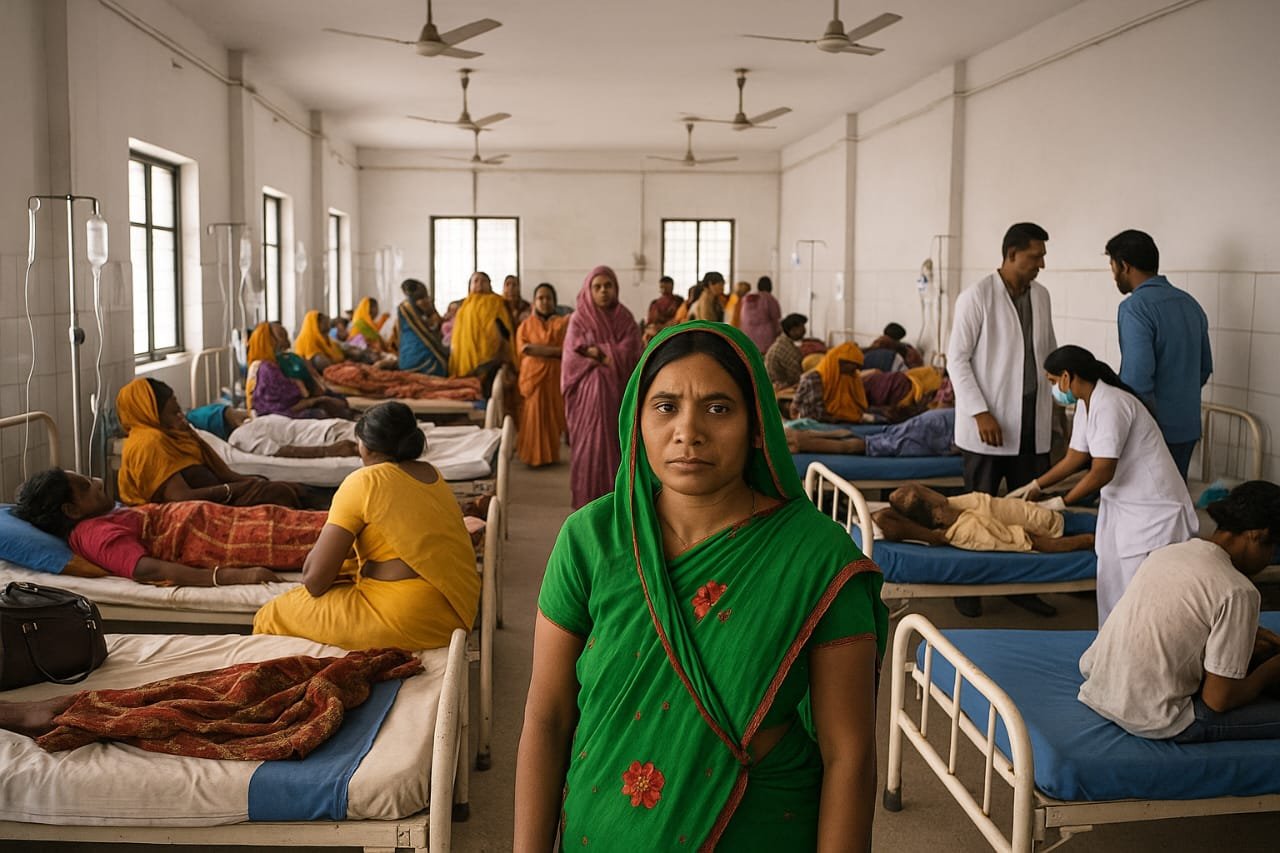
India is facing a silent healthcare emergency—one that unfolds quietly every day, far from television debates and newspaper headlines, yet claims thousands of lives relentlessly. This emergency is not caused by a lack of hospitals, qualified doctors, or modern medical technology. It is caused by something far more dangerous and deeply rooted: a lack of awareness, widespread myths, fear, social hesitation, and silence around organ, eye, and blood donation. Across the nation, in hospital wards and intensive care units, countless patients wait for a miracle that may never arrive. Kidney failure patients spend years tethered to dialysis machines, hoping for a transplant that can free them from a life of constant medical dependency. Liver patients weaken day by day as their organs slowly fail. Heart patients remain alive only because machines support what nature no longer can. Accident victims bleed to death in emergency rooms simply because compatible blood is not available in time. Millions of people across India live in permanent darkness due to corneal blindness—despite the fact that a simple eye transplant could restore their vision. Mothers lose their lives during childbirth because even a single unit of blood is unavailable at the critical moment. Children suffering from thalassemia depend on frequent transfusions just to survive. And yet, the most heartbreaking truth is this: a large percentage of these deaths are completely preventable. India has one of the lowest organ donation rates in the world, even though it has one of the largest populations. The demand for organs, blood, and corneas continues to rise every year, while the supply remains painfully low. This widening gap between need and availability is not a failure of medicine—it is a failure of awareness. Why does this crisis continue to grow? Because deep within society, powerful myths and fears still dominate public thinking. Many people believe that organ donation will disfigure the body. Some think that blood donation causes lifelong weakness. Others fear that eye donation will damage the face of the deceased. There are religious misunderstandings that claim donation is forbidden. Some people mistrust the medical system and worry that doctors may not try hard to save a donor’s life. Many families believe that giving consent during grief is impossible. These myths are not just misunderstandings—they are life-threatening barriers. Every myth delays a decision. Every delay costs a life. Another major problem is the culture of silence. Organ donation is rarely discussed in families. Schools and colleges rarely include it in their education systems. Many people only hear detailed information about donation when tragedy strikes their own household. By that time, emotions overpower logic, and informed decisions become nearly impossible. This silence slowly becomes a wall between life and death. There is also a strong psychological barrier in society: the fear of talking about death. Death is treated as a taboo subject. People avoid conversations about it, believing that speaking about death invites misfortune. But what society forgets is that talking about donation before death is the only way to save lives after death. Avoiding the topic does not prevent death—it only prevents life. This silent emergency is made worse by social inequality. In rural and underdeveloped areas, awareness about donation is extremely limited. Access to correct information is scarce. People depend on rumors, cultural beliefs, and hearsay. In urban areas, although information is more accessible, misinformation spreads even faster through social media. Sensational videos, half-truths, and fear-based content travel faster than scientific facts. Genuine awareness struggles to compete with viral misinformation. The youth of the country show tremendous interest and compassion. They want to help. They want to serve. They are ready to donate blood and pledge organs. But often, they lack proper guidance, trustworthy platforms, and structured leadership. Without direction, their energy remains scattered, and their willingness rarely transforms into sustained action. Elder generations, on the other hand, often struggle with legal and religious confusion. Many are unsure whether donation is lawful, whether family rights are protected, what happens to the body, and whether rituals will be affected. This confusion creates hesitation. And hesitation, in matters of emergency healthcare, becomes fatal. Families facing sudden tragedy are often overwhelmed by shock, grief, fear, and confusion. At such moments, they are rarely in a mental state to process new information. If awareness was not built earlier, decisions become extremely difficult. This is why awareness cannot begin at the time of death—it must begin long before death. The impact of this silent crisis is not only medical—it is deeply social, emotional, cultural, and economic. Families lose their earning members. Children lose parents. Parents lose children. Homes collapse emotionally and financially. Communities lose productive individuals. Society loses talent, strength, and human potential. Each preventable death weakens the nation in ways statistics can never capture. This crisis also challenges the moral conscience of society. On one side, patients wait desperately for life. On the other side, millions of healthy people never make the decision to donate simply because they were never educated properly. Between these two sides lies a gap filled with fear, ignorance, and silence. And it is exactly at this point—where fear meets ignorance, hesitation meets urgency, and life stands at the edge of uncertainty—that the mission of Before Death Foundation (BDF) begins. BDF does not start its work inside operation theaters. It starts inside minds. It does not wait for tragedy to knock on a family’s door. It works before death, not after regret. It does not merely talk about donation—it works to transform awareness into survival. The silent emergency continues to grow. But it does not have to remain silent forever. With honest awareness, ethical education, youth leadership, and community engagement, this hidden crisis can be transformed into a national movement of compassion and life. And that transformation begins with one simple truth: Awareness is not information. Awareness is life.
Every meaningful movement in history begins with a moment of realization—a moment when silence becomes unbearable, when injustice becomes impossible to ignore, and when pain transforms into purpose. The birth of Before Death Foundation (BDF) was not an event—it was an awakening. It did not emerge from boardrooms or business plans. It emerged from hospital corridors, waiting rooms, prayers whispered in fear, and families standing at the fragile edge between hope and loss. BDF was born from the truth that human life is often lost not because of lack of treatment, but because of lack of timely awareness and collective responsibility. It was born from the realization that trucks of medical technology can exist, but without donors and informed citizens, those machines remain helpless. This is the story of how an idea became a movement—and how awareness became a mission.
1. When Reality Hits Harder Than Theory For years, organ donation, blood donation, and eye donation existed only as distant ideas for most people—topics discussed only in rare emergencies or during academic lessons. But for some, these topics stopped being theoretical. They became painfully real. There were moments when: A family searched through the night for a blood donor A patient waited endlessly for a kidney A blind child waited years for corneal donation A young mother lost her life due to blood shortage A doctor stood helpless despite having full medical capability These experiences shattered the illusion that society was prepared. They revealed the deep truth: India was medically ready—but socially unprepared. Hospitals could transplant organs. Doctors could perform miracles. Blood banks could store units. Eye banks could restore vision. But what was missing? Donors. Consent. Awareness. Trust. Courage. This gap—between medical potential and social hesitation—became the emotional starting point of Before Death Foundation.
2. From Pain to Purpose: The Spark That Ignited BDF Before Death Foundation was not born from ambition. It was born from helplessness that refused to remain helpless. Those who would later form the foundation had seen the cost of delay. They had seen families caught between shock and decision. They had seen lives lost not due to disease—but due to indecision. One realization kept returning: > “If awareness had reached this family earlier, this life might still be alive.” That one thought slowly became a responsibility. Instead of blaming society, the founders of the movement asked a different question: “What can we do so that this never happens again?” The answer was simple in words—but powerful in action: Start awareness before death. Not after regret. Thus, the name Before Death Foundation was not chosen accidentally. It reflects the deepest belief of the movement: > Decisions that save lives must be made before tragedy, not after it.
3. The First Steps: No Money, No Office, Only Intention The earliest days of BDF were not defined by resources. There was: No office No funding No staff No media coverage There was only: A few committed individuals A deep sense of responsibility And an unshakable belief that awareness can save lives The first awareness sessions took place in: Small community gatherings Local streets College classrooms Shade of trees Hospital corridors Residential colonies There were no banners. No microphones. No certificates. Only conversations. People were told: What organ donation really means That blood regenerates That eye donation does not disfigure That religion supports saving lives That law protects donors and families Slowly, questions turned into discussions. Discussions turned into understanding. Understanding turned into pledges. This is how BDF learned its most important lesson very early: Awareness does not require money. It requires honesty.
4. Why BDF Is a Movement, Not Just an Organization An organization runs on structure. A movement runs on belief. Before Death Foundation does not exist merely to conduct programs. It exists to change the way people think about life, death, and responsibility. What makes BDF a movement: It does not depend on one location It does not revolve around one leader It does not require one type of volunteer It does not belong to one age group It does not represent one religion or class It belongs to: Students Doctors Teachers Homemakers Workers Corporate professionals Rural communities Urban youth Anyone who believes that saving a life is the highest form of humanity becomes a part of this movement.
5. The Name That Carries a Philosophy “Before Death Foundation” is not just a name—it is a thought process. It carries a powerful message: Do not wait for death to talk about donation Do not wait for tragedy to learn about saving lives Do not wait for loss to act Decide before death—so life can continue after death The foundation teaches that: Donation is not about dying It is about continuing life through others It is the final act of generosity It is the highest form of social responsibility This philosophy makes BDF different from many traditional NGOs that work only after a problem becomes visible. BDF works before the problem becomes irreversible.
6. Facing Resistance: The Difficult Early Challenges Every movement faces resistance. BDF was no exception. In the beginning, there was: Fear from communities Suspicion about intentions Religious confusion Legal misunderstandings Social opposition Mistrust of medical systems Some said: “Why talk about death?” “These things invite negativity.” “Don’t confuse the youth.” “It is against our traditions.” But BDF did not fight resistance with anger. It fought it with: Patience Facts Respect Listening Dialogue Education Instead of debating aggressively, BDF chose to explain gently. Instead of correcting harshly, it chose to guide softly. And slowly, resistance weakened.
7. The First Success Stories That Changed Everything Every movement needs a moment that confirms, “Yes, this work matters.” For BDF, those moments came when: A family, already aware, consented to eye donation without fear A student motivated 50 peers to donate blood A rural village hosted its first-ever health awareness camp A patient received blood on time through a volunteer’s call A hesitant parent finally pledged organ donation after understanding These were not just events. They were proof that awareness works. Every saved life strengthened belief. Every pledge deepened responsibility. Every volunteer multiplied the mission. BDF realized it was no longer a small initiative. It was becoming a living force of change.
8. The Soul of the Movement: People, Not Systems What truly defines the birth of BDF is not its programs—it is its people. The student who skipped comfort to distribute awareness pamphlets The doctor who gave free time to educate communities The volunteer who traveled long distances without expectation The families who pledged donation despite social pressure The youth who chose purpose over popularity These people became the backbone of the movement. BDF does not create workers. It creates believers.
9. From Local Awareness to a National Vision As awareness spread from one area to another, one city to another, BDF’s vision naturally expanded. The realization grew: This crisis is not local. It is national. And therefore, the solution must also be national. The movement began dreaming bigger: Nationwide awareness campaigns Youth leadership at scale Inter-city donor networks Hospital collaborations School education programs CSR partnerships What began as a few conversations became a national call for responsibility.
10. Why “Before” Matters More Than “After” Most social responses occur after tragedy. BDF chose a different path. It focuses on: Awareness before death Pledges before emergencies Family discussions before shock Legal understanding before crisis Blood donor registration before accidents Because after death: Emotions overpower logic Fear overrules facts Grief blocks understanding Time disappears Before death: Minds are open Choices are conscious Decisions are informed Consent is peaceful Life is protected This is the fundamental difference that defines the birth of the BDF movement.
11. The Ethical Foundation That Shaped the Beginning From its very first day, BDF decided what it would never become: It would never be commercial It would never force donation It would never exploit emotions It would never use fear as strategy It would never compromise on dignity It would never misuse data or trust The founders believed one thing very clearly: > If awareness is not ethical, it is not awareness. It is manipulation. This ethical root is what allowed BDF to earn trust slowly and deeply.
12. The Birth of a Responsibility, Not a Brand Before Death Foundation never began with branding in mind. It was born as a responsibility. Over time, the name became known. But the aim never changed: Not fame Not visibility Not growth for the sake of growth The aim remained: Save lives through awareness Build social responsibility Create donor culture Empower youth Restore trust in humanity
13. What the Birth of BDF Truly Represents The birth of Before Death Foundation represents: A rebellion against ignorance A stand against fear A promise to the unseen patient A hope for the waiting family A voice for the silent suffering A bridge between life and loss It is the story of ordinary people who refused to remain silent while lives were being lost quietly. --- FINAL THOUGHT OF BLOCK 2 Before Death Foundation was not born in celebration. It was born in concern. It was not born in comfort. It was born in courage. It was not born from success. It was born from suffering. And because of that, it carries something far stronger than resources:
Every great movement in history begins with one uncomfortable question—a question that refuses to leave the heart until action follows. For Before Death Foundation (BDF), that question was simple yet deeply disturbing: “Why does a patient die waiting for an organ, when millions of people are willing to help—but don’t know how?” This question marked the true birth of the movement—not in structure, not in paperwork, not in registration—but in conscience. Because movements do not begin on paper. They begin in pain, in awareness, and in responsibility. BDF was not born as a reaction to one incident. It was born as a response to a pattern of loss—a repeated cycle where: Families searched for blood at the last moment Patients waited for organs with no guarantee Blind individuals waited for years for corneal donation Doctors watched technology fail due to lack of donors Society remained silent because it never learned otherwise This repeated suffering evolved into a collective realization: > India does not suffer from shortage of donors. India suffers from shortage of donor awareness.
1. The Shift From Sympathy to Responsibility Most people feel sympathy when they hear about a dying patient. But sympathy fades quickly. What BDF stood for was something stronger than sympathy—responsibility. The early thinkers behind the movement began to understand a painful truth: Feeling bad does not save a life Sharing sad news does not save a life Offering prayers alone does not save a life Waiting for the system to fix it does not save a life Only early awareness, clear knowledge, and timely consent save lives. This realization created a shift: From emotional reaction → to actionable responsibility From individual sorrow → to collective duty From passive concern → to active participation This shift is what truly gave birth to the movement mindset of BDF.
2. The Moment Awareness Became a Moral Duty In many societies, organ donation is treated as an optional social good. BDF challenged that thought. It introduced a powerful moral reframe: > “If you have the power to save a life after your death, then not knowing about it is not ignorance— it becomes negligence.” This was not said to shame people, but to awaken society. People began to realize: Awareness is not luxury knowledge Awareness is emergency knowledge Awareness is not academic theory Awareness is a moral tool to protect life Thus, BDF transformed awareness from information into duty.
3. From Isolated Voices to a Collective Echo In the beginning, the movement sounded like a whisper: A few volunteers A few meetings A few students A few hesitant listeners But awareness travels differently than advertisements. It moves from heart to heart, not from screen to screen. One student explained organ donation to a classroom. One patient told another patient about blood donation. One family that pledged eye donation inspired ten more families. One volunteer created a chain reaction of courage. Slowly, that whisper became an echo. People began to say: “We had never been told this before.” “Why doesn’t anyone teach this in schools?” “This should be common knowledge.” “We want to be a part of this.” That was the moment the movement stopped being someone’s idea and became people’s voice.
4. The Social Reality That Forced the Movement Forward BDF did not grow because conditions were easy. It grew because conditions were unbearable. The movement advanced through: Emergency blood shortages after accidents Villages with zero health awareness Youth eager to help but misdirected Senior citizens confused about legal safety Families destroyed financially after medical emergencies The movement was fueled by: Loss Injustice Helplessness Delay Denial Each unanswered emergency call for blood, each patient who died waiting, pushed the movement further. Pain became energy. Energy became action. Action became awareness. Awareness became life.
5. Why the Movement Could Not Be Stopped Most social causes die because: They depend on one leader They lost funding They lacked volunteers They became political They chased attention instead of truth BDF survived and expanded because: It belonged to everyone It had no religious, political, or social boundaries It required no qualification to join—only conscience It did not promise rewards—only responsibility A farmer could volunteer
Awareness does not grow in isolation. It grows where trust exists. And in a country like India, where millions still hesitate to visit hospitals due to fear, cost, or misinformation, trust in healthcare is built only when care reaches people directly. This is why health camps are not just programs for Before Death Foundation (BDF)—they are the heartbeat of its grassroots mission. For BDF, a health camp is not merely a medical event. It is a conversation between medicine and humanity. It is where fear meets reassurance. It is where ignorance meets understanding. It is where patients stop being statistics and become people again.
1. Why Health Camps Matter More Than Hospitals for Awareness Hospitals are places of urgency, fear, and survival. People enter hospitals when they are already sick, desperate, or emotionally overwhelmed. At that stage, the mind is focused on only one thing—survival. It is not the best moment for deep awareness about long-term subjects like organ donation, eye donation, preventive health, or blood donation. Health camps, on the other hand, reach people before crisis. They reach: Villagers who never get regular check-ups Daily wage workers who ignore symptoms due to income pressure Senior citizens who live with untreated chronic diseases Women who never prioritize their health Youth who feel healthy and invincible At a health camp, people arrive without fear of hospital bills and without the pressure of emergencies. They arrive open, curious, and receptive. This is exactly where true awareness begins to settle deeply.
2. The Philosophy Behind BDF Health Camps BDF does not organize health camps just to distribute medicines or measure blood pressure. Each BDF health camp is designed with three powerful objectives: 1. Detection – Identify silent lifestyle diseases early 2. Education – Teach people how to protect their health 3. Awareness – Introduce organ, eye, and blood donation as part of social responsibility This integration is what makes BDF camps unique. At a typical BDF health camp, people do not just: Get their BP checked Get their sugar tested Consult a doctor They also learn: Why blood donation saves accident victims How organ donation works What eye donation really means Why preventive healthcare matters How ignorance silently destroys families Thus, healthcare becomes holistic, not fragmented.
3. The First Health Camps: Small Setup, Huge Impact The earliest BDF health camps were humble. There were no brand sponsors. No luxury medical vans. No professional event managers. What existed was: A few volunteer doctors A few borrowed BP machines Some tables and chairs Handwritten registration sheets And a deep intention to serve Yet, the impact was powerful. People came hesitantly at first. Some believed there would be hidden charges. Some thought medicines would not be real. Some were scared of doctors. But once they realized the service was genuine, free, and respectful, word spread fast. By afternoon, long queues formed. By evening, people were returning with neighbors. By night, entire families were discussing health and donation for the first time. That was the moment BDF understood: > Trust spreads faster than fear when care is honest.
4. What Happens Inside a BDF Health Camp A BDF health camp may look simple from outside—but inside, it is a deeply structured life-intervention system. Typical services include: Blood pressure check Blood sugar testing General physician consultation Eye screening BMI and nutrition assessment Mental health guidance (in select camps) Free medicines where possible Blood donation drives in association with hospitals But beyond these medical services, something even more important happens: 👉 Dialogue. Volunteers talk to patients about: Their lifestyle habits Their family medical history Their stress and diet Their awareness about donation Their fears about hospitals Their understanding of death and life For the first time in their lives, many people feel: Someone is listening Someone is explaining Someone is guiding without judgment This emotional connection is what makes awareness permanent.
5. Where These Health Camps Reach BDF does not target only easy urban locations. Its health camps are intentionally placed in: Rural villages Slum clusters Industrial areas Construction worker colonies Old age communities Tribal belts Government school neighborhoods These are the areas where: Preventive health awareness is lowest Medical neglect is highest Financial vulnerability is severe Fear of hospitals is deeply rooted For many people here, a BDF health camp becomes the first doctor consultation of their lifetime.
6. How Health Camps Create Awareness About Organ Donation Organ donation awareness cannot begin in ICU rooms. It must begin where people feel safe and informed. At BDF health camps: People learn what brain death means They understand which organs can be donated They are told about family consent They learn that the body is respected They understand the legality of the process They realize religion supports saving lives This awareness is never forced. It is offered gently. People are not asked: “Will you donate right now?” They are asked: “Did you know this can save many lives after you?” This small shift in language makes all the difference.
7. The Blood Donation Connection Inside Health Camps Many blood donors are born at health camps. When people see: A donor donating safely A trained medical team Sterile equipment No weakness afterward Their fear disappears. A man who came only for BP check donates blood. A student who came with friends becomes a regular donor. A woman who never imagined donating motivates her family. Thus, health camps become blood donor factories of humanity.
8. The Emotional Power of Health Camps There are moments inside BDF health camps that: Cannot be photographed Cannot be measured in reports Cannot be counted in statistics A daily wage worker discovering dangerously high blood pressure. A diabetic patient learning the disease before organ damage. An elderly woman learning her eyesight can be restored. A young man pledging his organs for the first time. A mother donating blood after losing fear. These moments change lives silently.
9. The Role of Doctors in the Health Camp Movement Doctors who work with BDF health camps are not just service providers. They become: Educators Guides Motivators Counselors Trust-builders Many doctors join for one camp—and stay for life. They realize: This is healthcare before crisis This is service without ego This is medicine with meaning
10. Youth in Health Camps: Learning Real-Life Responsibility For student volunteers, health camps become: Their first exposure to real suffering Their first interaction with patients Their first lesson in empathy Their first social leadership training They learn: How to manage crowds How to speak politely How to guide patients How to document cases How to spread awareness responsibly Health camps turn youth into ground-level social leaders.
11. Women and Health Camps: Silent Beneficiaries In many families, women ignore their health until it collapses. BDF health camps become a safe space for women to prioritize their own health. They receive: Anemia screening Nutritional guidance Blood pressure checks Diabetes awareness Pregnancy-related counseling At the same time, they learn: About blood donation About organ donation About eye donation Women return home as health ambassadors for their entire family.
12. Health Camps During Crisis Situations During outbreaks, disasters, and emergencies, BDF health camps become rapid response units—offering: Screening Immediate guidance Awareness about safety Blood donation linkage Psychological reassurance In such moments, trust in BDF deepens drastically.
13. CSR & Institutional Support Through Health Camps Many corporates and institutions choose to partner with BDF specifically through health camps because: The impact is visible The beneficiaries are real The transparency is high The social return is measurable Health camps become where: CSR money becomes human service Paper commitments become real lives touched
14. The Long-Term Impact of One Health Camp One BDF health camp may last one day. But its impact lasts for: Years in a patient’s health A lifetime in a donor’s decision Generations in family awareness Communities in preventive culture One camp can: Prevent a stroke Prevent kidney failure Prevent blindness Prevent sudden death Create multiple donors
Hospitals save lives in emergencies. But health camps save lives before emergencies exist. They build: Trust before crisis Awareness before death Donors before disaster Responsibility before regret Before Death Foundation’s health camps are not events. They are ground-level revolutions of care and consciousness.
If organ donation is the promise of future life, blood donation is the emergency heartbeat of the present. It is the fastest, simplest, most direct way one human being can save the life of another. You may not know the person. You may never meet them. But within minutes, your blood can become their survival. For Before Death Foundation (BDF), blood donation is not just a medical activity—it is a movement of instant humanity, a bridge between strangers built in moments of crisis. While organ donation often waits for tragic timing, blood donation works in real time, every second, every minute, every day. This is why BLOOD DONATION stands as one of the strongest pillars of the BDF movement.
1. Why Blood Is the Most Powerful and Immediate Gift of Life Blood is not manufactured in factories. It cannot be stocked for years indefinitely. It cannot be replaced with machines. It must come from another human being. Every day in India, blood is urgently required for: Road accident victims Cancer patients Pregnant women during complications Children with thalassemia and blood disorders Major surgeries Burn victims Organ transplant patients In many cases, the need is so sudden that families get only minutes to arrange blood. These are the moments when panic replaces planning, and desperation replaces logic. Before Death Foundation realized a painful truth very early: > People are not dying because blood donors do not exist. They are dying because blood donors are not organized.
2. The Birth of Blood Awareness Inside the BDF Movement In the early days of BDF, emergency phone calls began arriving: “A patient needs blood urgently.” “We cannot find a matching donor.” “The blood bank is empty.” “Time is running out.” Volunteers rushed from street to street, hostel to hostel, college to college, searching for donors at midnight, at dawn, in rain, in heat. Sometimes blood arrived in time. Sometimes it didn’t. And every failure left a scar. That is when BDF understood: > Blood donation cannot be dependent on emergency luck. It must be built as a permanent social habit. From that day, blood donation became a central mission, not a side activity.
3. The Fear That Stops People From Donating Blood Despite blood being safe to donate, thousands hesitate due to fear: “I will feel weak forever.” “My body cannot handle it.” “I am too thin.” “I fear needles.” “What if something goes wrong?” “What if I need blood later?” BDF decided to attack fear with facts, not force. Through awareness programs, health camps, and youth counseling, people are taught: The human body replaces donated blood within days Donating blood does not reduce strength Medical screening ensures donor safety Donors are protected and respected Regular donation actually improves health monitoring Once fear fades, courage rises naturally
If blood donation is the fastest way to save a life, and organ donation is the promise of a second life, then eye donation is the miracle that brings light back into a world of permanent darkness. It does not merely restore vision—it restores dignity, independence, confidence, education, livelihood, and hope. For Before Death Foundation (BDF), eye donation is not just a medical process. It is a movement of vision in the deepest human sense—a movement that teaches society that even after death, the gift of sight can allow someone else to live fully again. This is the story of how eye donation became one of the most emotional, sensitive, and transformational pillars of the BDF movement.
1. The Tragedy of Preventable Blindness in India India is home to millions of people who live in complete or partial blindness—not because treatment does not exist, but because donated corneas are not available on time. Corneal blindness affects: Children who lose education opportunities Adults who lose their livelihood Elderly people who lose independence Families who lose financial stability What makes this tragedy unbearable is one simple truth: > Corneal blindness is one of the most curable forms of blindness in the world. And yet, waiting lists remain long. People wait years for corneas. Many lose hope. Some die before they ever see again. The problem is not medical failure. The problem is lack of awareness, fear, and hesitation about eye donation.
2. Why Eye Donation Is Feared More Than It Should Be Among all forms of donation, eye donation carries the deepest emotional hesitation. People fear it because it touches the face, identity, and final rituals of a loved one. The most common fears include: “The face will be disfigured.” “The body will be cut badly.” “Religious rituals will be disturbed.” “The soul will not find peace.” “The eyes will be misused.” BDF realized that eye donation does not fail because of lack of willingness—it fails because of lack of correct knowledge at the right time. People often want to help—but they are never told the truth: Only the cornea is retrieved The face remains completely untouched The process takes only 15–20 minutes Last rites are never delayed There is no external sign after donation Religious leaders across faiths support eye donation Once this truth is explained, fear begins to dissolve.
3. The First Eye Donation Conversations Inside the BDF Movement In the early days of BDF, eye donation was the most sensitive topic to introduce. Volunteers hesitated. Communities hesitated. Families were unsure. Even awareness workers feared crossing emotional boundaries. But reality demanded courage. BDF began with: Hospital corridor counseling Community education during health camps One-to-one family awareness Youth sessions in colleges Religious and cultural discussions These conversations were slow. Gentle. Respectful. Nobody was pressured. Nobody was forced. Only truth was shared. And slowly, the impossible began to happen. Families started asking questions. Youth started carrying eye donation pledge cards. Elderly people began planning donation consciously. Communities began discussing donation at meetings. This is how eye donation awareness entered the collective conscience.
4. The First Successful Eye Donations That Changed Everything Every movement needs moments of proof. For BDF, those moments came when: A grieving family, already aware, consented calmly A donor’s corneas restored sight to two blind patients A child opened their eyes after years of darkness A blind adult walked independently again A family realized that their loss gave two people a future These moments did not appear in newspapers. They appeared in tears of gratitude. From that day, eye donation was no longer a theory inside BDF. It became a living truth.
5. The Emotional Depth of Eye Donation Eye donation is unlike any other donation. It happens at the moment of deepest grief. A family is: In shock In denial In pain In emotional collapse To speak about donation at that time requires: Extreme sensitivity Deep respect Emotional intelligence Absolute honesty BDF trains volunteers to: Never rush the family Never use emotional pressure Never promise miracles Never disrespect rituals Never interrupt grief Instead, they: Sit with the family Listen first Answer questions gently Respect refusal fully Offer awareness, not compulsion This approach builds trust that cannot be manufactured.
6. Eye Donation as a Second Life, Not Just a Medical Act For the recipient, eye donation is not a surgery. It is a rebirth. Imagine: A child seeing their parents for the first time A student returning to books after years of blindness A worker returning to employment An elderly person walking independently again For them, the donor is not a stranger. The donor becomes a guardian of light. For the donor family, grief transforms into purpose: Their loved one did not disappear Their loved one continues to see through others Their loss created life This emotional transformation is what makes eye donation one of the most powerful spiritual acts of humanity.
7. Youth and Eye Donation – Creating a Generation Without Fear BDF works intensely with youth because: They are open to learning They challenge myths They spread awareness fast They influence families Through college programs, student memberships, and internships, youth learn: The reality of corneal blindness The simplicity of eye donation The truth behind face disfigurement myths The legal and ethical process Many students take pledges. Many inspire parents. Many initiate discussions at home. Thus, awareness flows from youth to families, not the other way around.
8. Religious, Cultural, and Social Acceptance of Eye Donation One of the biggest barriers to eye donation is religious confusion. BDF addresses this sensitively by: Sharing statements from religious leaders Explaining that all major religions support saving lives Clarifying that donation is an act of ultimate compassion Showing that no ritual is ever canceled due to donation When faith and science walk together, fear loses its power.
9. Women and Eye Donation – Silent Decision Makers of Families In many families, women decide: Whether rituals continue Whether bodies are touched Whether donation is allowed When women understand eye donation: Entire families change their decisions Sons gain courage Elders gain clarity Families gain confidence BDF therefore focuses strongly on women-led awareness inside communities.
10. The Partnership Between BDF and Eye Banks BDF does not work in isolation. It connects: Families Hospitals Eye banks Volunteers Counselors This coordination ensures that: Corneas reach safely Retrieval happens on time Legal protocols are followed Donor dignity is protected Families are supported emotionally
11. The Silence of the Donor and the Noise of the Impact Eye donors never meet the people they help. Recipients often never know their donor’s name. And yet: A silent donation creates a loud life change A private decision creates public transformation A quiet family creates visible hope This is the silent power of eye donation.
12. Myths That Still Need to Be Broken Even today, many people believe: Eye donation causes facial damage Elderly people cannot donate Children cannot donate People with glasses cannot donate Donation delays funerals BDF continues to tackle these myths with: Camps Street awareness Digital education Hospital counseling Youth engagement Because myth is the biggest enemy of sight.
13. Eye Donation and the Future of Blindness-Free India BDF dreams of: Eye donation education in every school Donor pledge cards in every wallet Zero waiting list for corneas Immediate retrieval systems in all districts Blindness becoming a rare condition This vision is not emotional—it is scientifically achievable if awareness becomes universal.
14. The Cultural Shift That Eye Donation Creates When a community accepts eye donation: Death is no longer just loss Grief is no longer just pain Tragedy is no longer meaningless Legacy becomes part of conversation Eye donation does not change just eyesight. It changes how society looks at death itself.
Eye donation is not about taking something from the dead. It is about giving everything to the living. It is not about darkness. It is about forever light. Before Death Foundation does not teach people to fear death. It teaches people to defeat darkness even after death
Every powerful movement in history has one common strength—youth energy guided by purpose. Before Death Foundation (BDF) is no exception. If awareness is the soul of the movement, then youth leadership and volunteers are its heartbeat. They are the walkers of streets, the speakers in classrooms, the responders in emergencies, the counselors in hospitals, and the digital voices on social platforms. BDF is not driven by advertisements or machinery. It is driven by young minds that choose responsibility over comfort and service over silence. This block is dedicated to the force that keeps the movement alive every single day—the youth and volunteers of BDF.
1. Why Youth Are the Strongest Pillar of the BDF Movement Youth carry three powerful qualities that no system can replace: Energy to move tirelessly Courage to speak without fear Adaptability to change with the times While older generations carry experience, youth carry revolutionary momentum. They question traditions that harm humanity. They challenge myths that cost lives. They refuse to accept “this is how things have always been” when people continue to suffer. BDF understands a simple truth: > If the youth is awakened with awareness, the future becomes safe for life. This is why youth leadership is not a side program in BDF—it is the very engine of the movement.
2. Volunteers: The Unsung Heroes Who Carry the Mission Silently Volunteers are not employees. They are not paid workers. They are not bound by contracts. And yet, they are the ones who: Answer emergency blood calls at midnight Stand in heat during awareness drives Walk long distances to conduct health camps Comfort families after loss Speak to strangers about donation Face rejection and still continue They are the anonymous guardians of life. BDF volunteers do not wear uniforms to look powerful. They wear responsibility in their hearts. Many people never know their names, but countless lives continue because of their silent actions.
3. The First Youth Who Carried the Torch In the early days of BDF, youth participation began with just a few students who believed in one simple idea: “If our generation does not change this, who will?” These students: Conducted awareness sessions in their classrooms Convinced friends to donate blood Organized small donor groups Assisted in health camps Learned to speak publicly about donation They had no formal training at first. They learned on the ground—in heat, in crowds, in hospitals, in emotional situations. They failed sometimes. They made mistakes. But they never gave up. From these first few students came the first youth leaders of the BDF movement.
4. From Volunteer to Leader: How Youth Grow Inside BDF One of the most powerful aspects of BDF is that a volunteer is never treated as just workforce. Every volunteer is seen as a future leader. A typical growth journey looks like this: A student joins as a volunteer Learns awareness basics Assists in camps and drives Starts speaking to small groups Leads a small team Organizes a college event Becomes a district-level youth leader This transformation builds: Confidence Communication skills Decision-making ability Emotional intelligence Crisis handling strength Many youth enter BDF shy and hesitant. They emerge as leaders who can guide communities.
5. Youth and Organ Donation Awareness – Breaking the Hardest Taboos Talking about death, donation, and body integrity is extremely difficult in traditional societies. Elders often avoid these discussions. But youth speak with courage. Youth leaders: Initiate donation talks at home Convince parents to discuss pledges Remove fear from siblings Challenge religious misinformation Explain medical facts with logic It is often a young person who becomes the first donor in the family—and the one who turns an entire household aware.
6. Campus Ambassadors – Where the Movement Takes a Permanent Root Colleges and universities are the birthplace of long-term social change. This is why BDF builds strong Campus Ambassador Programs. Campus Ambassadors: Represent BDF in their institutions Conduct awareness seminars Organize blood donation camps Create digital awareness content Register student donors Lead volunteer teams In many colleges, BDF ambassadors have helped: Make blood donation an annual culture Make organ donation awareness a regular session Make health awareness part of student life Once awareness becomes part of campus culture, it grows for decades.
7. Youth in Emergency Response – When Theory Becomes Action Some of the strongest moments in the BDF youth journey happen in emergencies. A young volunteer receives a call: “A patient needs O-negative blood urgently.” “The surgery is in one hour.” “No donor is available.” Without hesitation, the youth: Calls multiple donors Rushes to the hospital Coordinates with staff Leads the donor Waits till transfusion begins At that moment, the youth stops being a student. They become a lifesaver. This transformation cannot be taught in books. It is only learned in real human urgency.
8. Digital Youth Power – The New Battlefield of Awareness Today, awareness is not only spread on streets—it is spread on screens. BDF youth leaders use digital platforms to: Break donation myths Share real-life donor stories Educate about blood groups Promote health awareness Share emergency donor appeals Create reels, posters, and videos Through social media, one volunteer can reach thousands of people in minutes. Digital youth power allows: Rural awareness to become national Local emergencies to become global appeals Silent donor stories to become public inspiration
9. Women Youth Leaders – Changing Families From the Inside Young women play a unique role in BDF leadership. They often: Convince mothers Guide sisters Influence household health decisions Encourage donation discussions gently Break gender-related donation fears Many women youth leaders: Lead blood donation drives Speak publicly about myths Counsel families during donation decisions Guide slum communities Manage health camp operations When women lead, entire families follow.
10. Training Youth for Emotional and Ethical Responsibility BDF understands that youth leadership is not just about action—it is about emotional maturity and ethical discipline. Volunteers are trained in: How to speak with grieving families How to respect refusal How to avoid emotional pressure How to maintain donor confidentiality How to follow medical protocols How to handle panic without fear This training ensures that youth act not as emotional activists—but as responsible life-saving ambassadors.
11. The Transformation Youth Experience Inside the Movement Youth who stay with BDF often report powerful personal changes: Greater respect for life Reduced fear of hospitals Increased emotional control Stronger leadership voice Deeper social empathy Clearer career purpose Some discover: A calling for healthcare A path into social work A purpose beyond money A passion for public service BDF does not just build social workers. It builds strong human beings.
12. Volunteers Across Ages – Youth Works Alongside Experience BDF volunteers include: Teenagers College students Working professionals Retired teachers Homemakers Senior citizens Youth do not work alone. They learn alongside elders. This creates a beautiful balance of energy and wisdom. Elders guide with patience. Youth execute with speed. Together, they form an unstoppable social force.
13. Recognition Without Commercialization BDF believes volunteers must be respected—but never commercialized. Youth receive: Certificates of service Leadership acknowledgment Letters of recommendation Real-life experience Public respect But the greatest reward remains: The knowledge that someone is alive because of their action
14. The Loneliness of a Volunteer and the Strength of the Mission Volunteering is not always celebrated. Sometimes youth face: Social misunderstanding Family pressure Financial struggle Academic stress Emotional exhaustion Yet they continue because: The mission is bigger than comfort The purpose is stronger than popularity The movement is greater than individual fear This inner strength is what makes them true leaders.
15. Youth as the Future Custodians of the BDF Vision One day, the founders will step back. One day, current leaders will grow old. But the youth: Will lead cities Will guide institutions Will control policies Will discipline systems Will shape healthcare awareness
A movement becomes powerful when it stops being dependent on a few individuals and begins to belong to thousands of ordinary people with extraordinary commitment. For Before Death Foundation (BDF), this transformation happens through three strong pillars: Membership, Internships, and CSR Partnerships. These three together form the human, intellectual, and institutional backbone of the movement. Membership gives the movement its strength, internships give it energy, and CSR gives it reach and sustainability. Together, they ensure that awareness does not remain an idea—it becomes a living national system of life-saving responsibility.
1. Why Membership Is the Soul of a Social Movement A social movement cannot survive on sympathy alone. It needs people who are ready to: Stand for the cause Speak for the cause Work for the cause Represent the cause This is exactly what membership creates. In BDF, membership is not a formality. It is a moral contract with humanity. A member does not merely support the mission—they become an active ambassador of life-saving awareness in their family, workplace, institution, and community. Membership turns: Concern into commitment Emotion into action Belief into responsibility
2. Different Memberships, One Mission BDF offers different membership pathways so that every person—regardless of age, profession, or background—can find their place in the movement: Student & Youth Members – The energy force of the movement General Members – Working professionals and community supporters Life Members – Long-term leaders and guiding pillars Honorary Members – Social, medical, and educational leaders Corporate Partner Members – Institutions committed to ethical CSR Though their roles differ, their purpose is the same: > To protect life through awareness and ethical action.
3. What It Truly Means to Be a BDF Member Being a BDF member is not about carrying an ID card or posting on social media. It is about living with awareness every day. A true member: Talks about donation at home Spreads awareness in workplaces Motivates blood donors Supports health camps Counsels people with patience Respects medical ethics Upholds the dignity of donors and families Membership is not measured by attendance—it is measured by impact on lives.
4. The Emotional Identity That Membership Creates Many members share that BDF becomes: A second family A moral compass A safe space for service A purpose beyond career A platform for meaningful leadership People often join for certificates. They stay because they feel needed for life.
5. Internships: Where Education Meets Real-Life Humanity Internships at BDF are not desk-based experiences. They are life-based learning journeys. An intern does not merely study awareness. They: Assist in blood donation drives Support health camps Participate in door-to-door campaigns Handle donor registrations Engage in hospital coordination Create digital awareness content Work with real patients and families This exposure changes everything. Students who once feared hospitals begin to work inside them. Students who hesitated to talk in public become speakers. Students who chased only marks begin to chase meaning.
6. What Interns Learn That No Classroom Can Teach Classrooms teach theory. BDF internships teach truth. Interns learn: Crisis management Emotional control Ethical decision-making Team leadership under pressure Handling grief with dignity Building trust with strangers Converting fear into confidence They see: Tears of patients Gratitude of families Struggle of volunteers Courage of donors Power of awareness By the end of their internship, students are not the same people they were when they entered.
7. Youth Internships as the Pipeline of Future Leaders Many of today’s BDF leaders were once interns. Internships act as: A training ground A leadership testing zone A responsibility school A value-building platform Interns who show dedication grow into: District coordinators Campus leaders Program managers Awareness educators Digital campaign heads Internship is not a temporary role in BDF—it is often the beginning of lifelong service.
8. Medical & Public Health Internships – Where Knowledge Saves Lives Medical, nursing, and public health interns play a critical role in: Health camps Blood donation screening Patient counseling Preventive health education Community medical awareness Data and impact reporting These interns bridge the gap between medical science and social reality, ensuring that awareness is accurate, ethical, and effective.
9. The Dignity of Unpaid Work and the Pride of Purpose Many internships are unpaid. Yet BDF witnesses something rare—students who: Refuse stipends Spend personal money to travel Sacrifice weekends Balance exams with service Continue even after internship ends Why? Because for many interns, the real reward is: The first life they saved The first donor they motivated The first patient they helped The first family they guided The first moment of true purpose
10. CSR: When Corporate Power Meets Human Purpose Corporate Social Responsibility (CSR) is not just about funding—it is about direction, ethics, and real impact. BDF works with socially responsible companies that believe: Profit without compassion is incomplete Business must also protect life Growth must include social healing Through CSR, companies support: Health camps Blood donation drives Youth leadership programs Awareness campaigns Rural medical outreach Training and digital education CSR gives BDF the scale to reach where volunteers cannot go alone.
11. CSR That Touches the Ground, Not Just Annual Reports BDF ensures that CSR support: Reaches real communities Funds real patients
Organ donation is a life-saving act where one person donates organs to help another person survive. Before Death Foundation (BDF) works to spread awareness, remove myths, and guide families to make informed decisions.
Brain death is a medically certified condition where the brain stops working permanently, even though the heart may still be beating. BDF educates communities about its importance in organ transplantation.
Hospitals, NGOs, and government agencies work together to ensure ethical, transparent, and efficient organ donation. BDF collaborates with medical teams to promote awareness and trust.